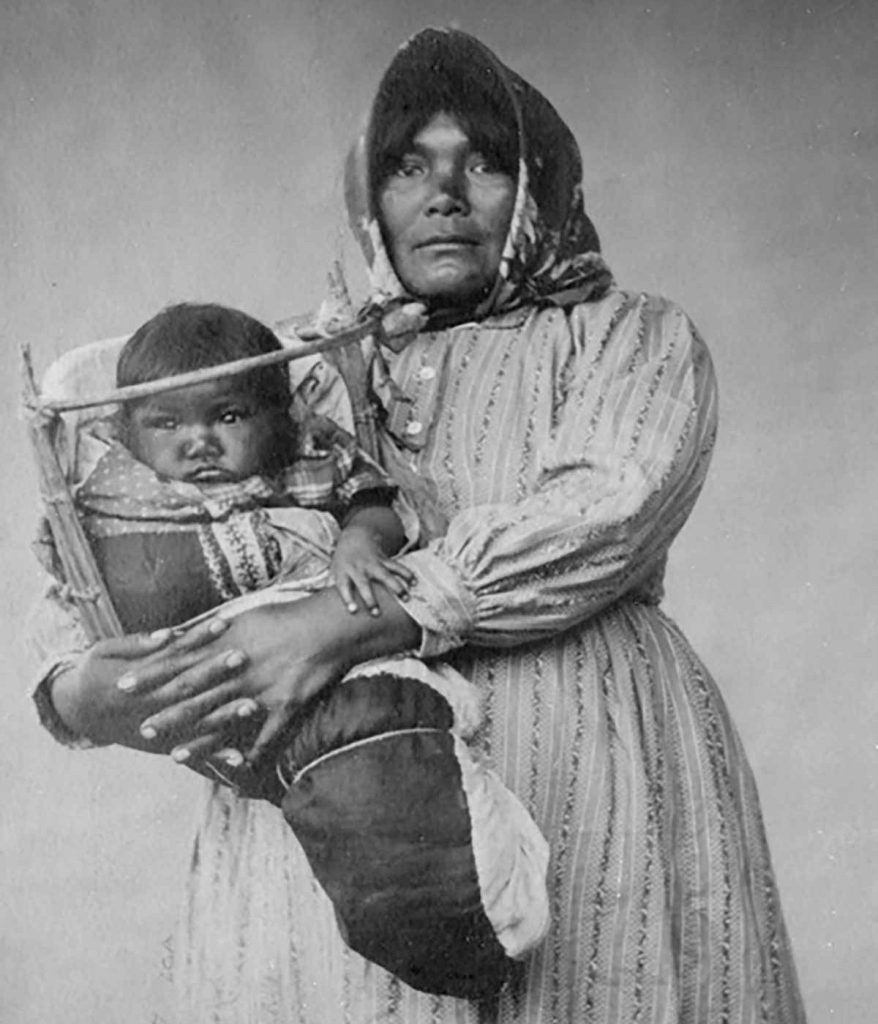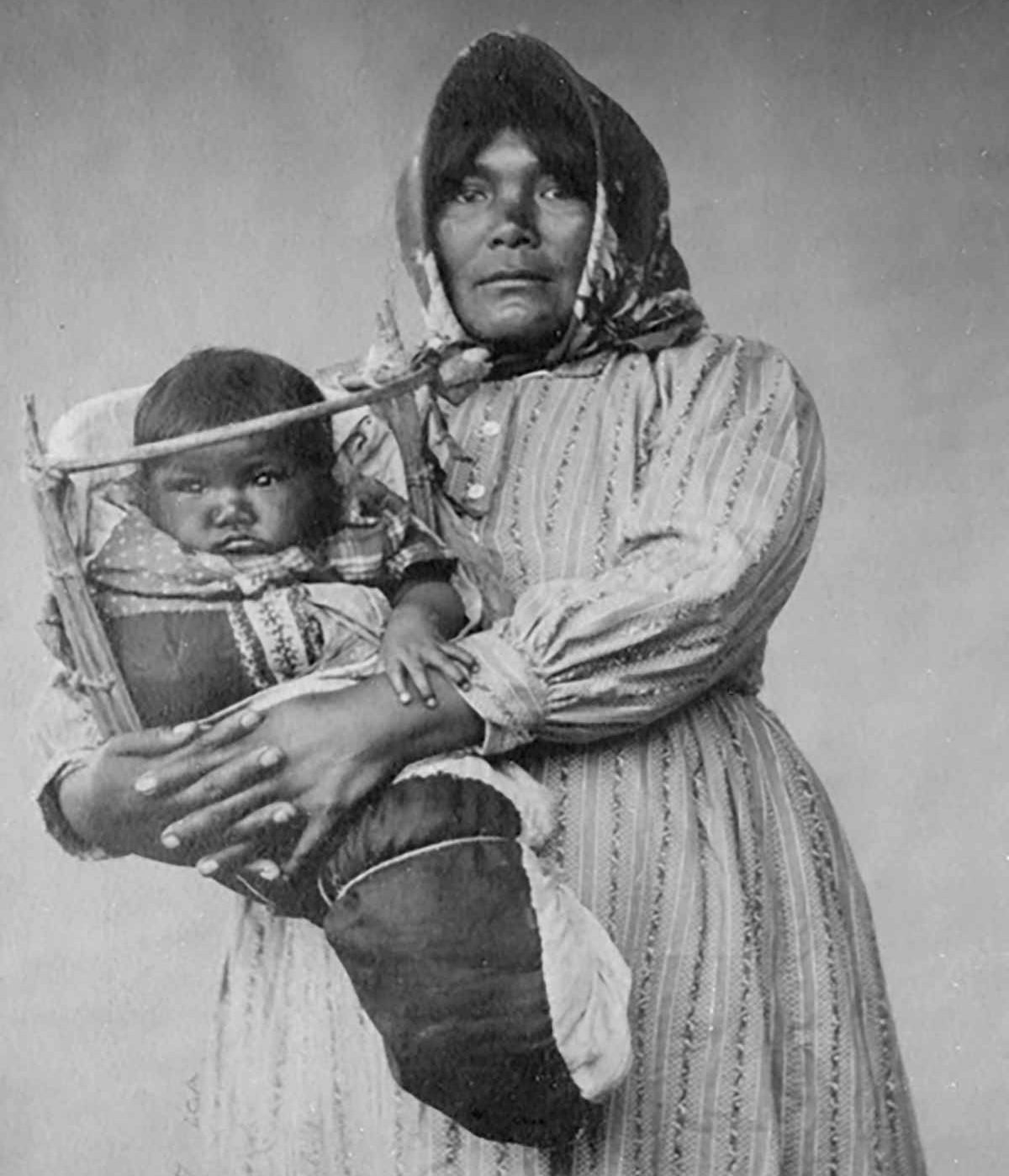
The Napa Valley is one of California’s longest inhabited areas— the Wappo are the area’s native people. Surveys indicate 10,000 years of uninterrupted habitation. There were settlements in Napa Valley, on the shores of Lake County and into Sonoma County’s Alexander Valley.
The land sustained them
They were hunter-gatherers living in a rich environment, a socially complex population of 35,000-40,000 people. . The Wappo lived peacefully in pole houses, using clamshell beads and magnesite cylinders for money and jewelry. They sharpened obsidian into spears and arrowheads that they used for hunting. Skins from deer and bears became blankets and clothing for cold winter weather. Acorns, perennial grasses, wild berries, freshwater shellfish, salmon, fowl and game were their diet. They used mortars and pestles to grind acorns to make flour for cooking.
The Wappo became known for their finely woven baskets
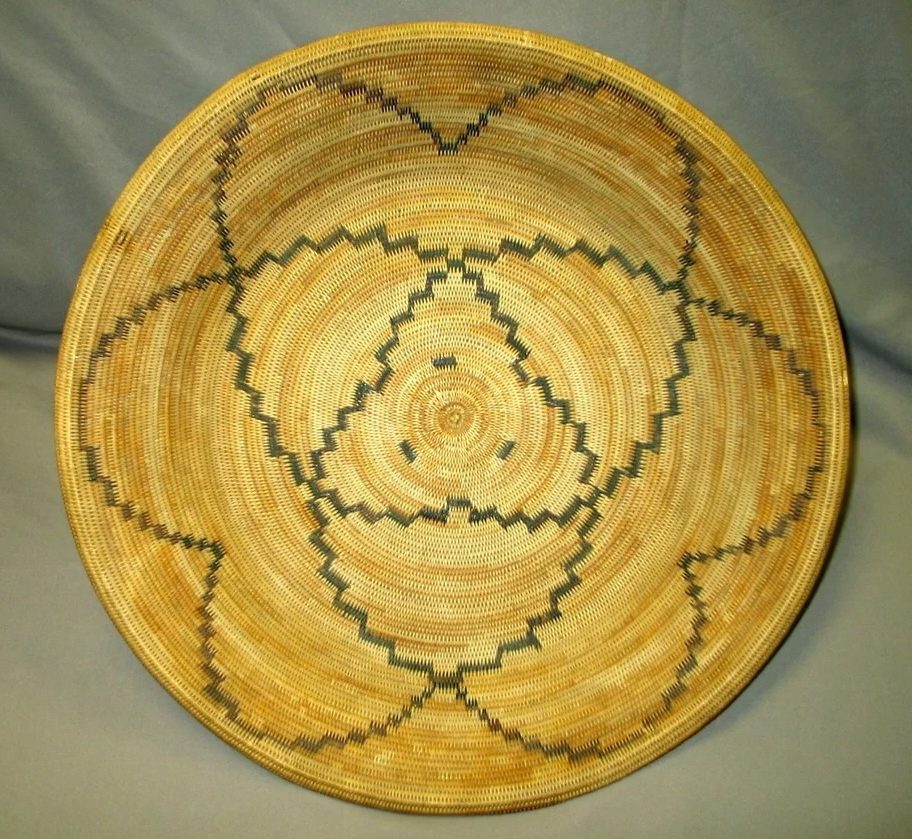
The baskets often were decorated with feathers, clamshell and abalone beads. Women created the finer, more artistic baskets, while men traditionally made rough workbaskets for gathering.In February 2026, the Historical Society filled the St. Helena Library’s display cabinets with an exhibit on the Wappo, the area’s indigenous people. As part of the celebration of St. Helena’s incorporation, civic groups and churches each took a month in the cabinets.
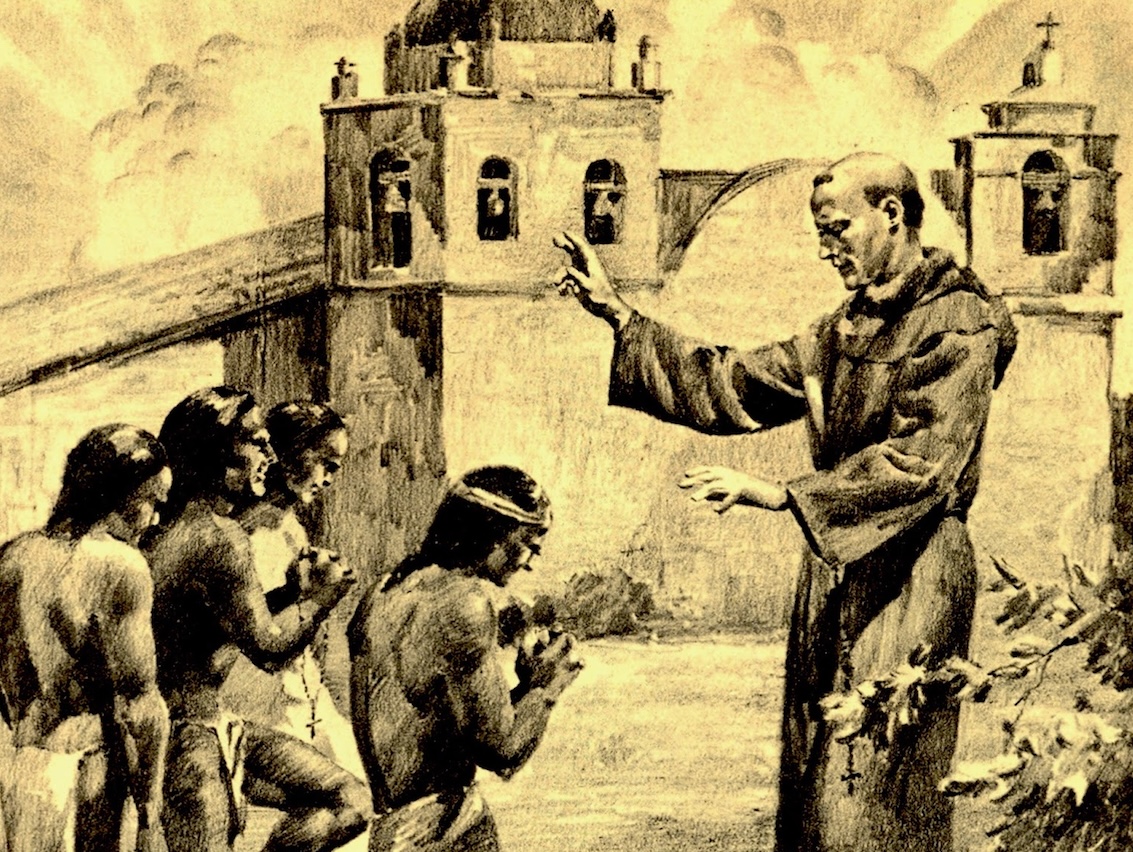
The Wappo lived in villages that reached from the Napa Valley to Lake County and into the Alexander Valley. The land provided for their needs for thousands of years. They were known for tightly woven baskets and for a deep respect for nature and their elders. The arrival of the Spanish, the conversion of native people to Christianity and the building of the missions brought about the end of the Wappo culture.
So what happened to the idyllic life of these people?
Related lecture: Basketry of the Wappo and California Native Americans
- 1823: Spanish and Mexican expedition. Father Altimura, a Jesuit priest, accompanies the expedition to establish a mission. In hindsight, the whole mission movement likely was the beginning of the end for the Wappo.
- 1828: Epidemic. The first serious smallpox virus spreads throughout the region. Those who came from Spain or Mexico as part of the mission brought disease.
- 1833-1835. Mariano Guadalupe Vallejo is sent by Mexico to the Northern California territory, where he vigorously engages in “Indian campaigns”. Indian campaigns were a war.
- 1851-1856. U.S. troops “hog-tie” 500 Wappo and drive them to the coast and to the town of Covelo. Some settle at Mt. Konocti, creating a new Lilik·Wappo group.
- Early 1900s. Remaining Wappo people are force-marched with a promise of “relocation to a land base.” It takes ten years for the land to be granted to the tribe.
- 1958. Congress passes Public Law 671, known as the Termination Act, extinguishing the rights of the Wappo tribe and 41 other rancherias to federal assistance and land bases.
- When forced to relocate to various missions for religious indoctrination, many fled to friendlier territory.
- Clear Lake and Sonoma County Wappos intermarried with other tribes and blended with the European invaders.
The Wappo people have a continuing presence in Napa Valley.