
The visible threads that tie us together
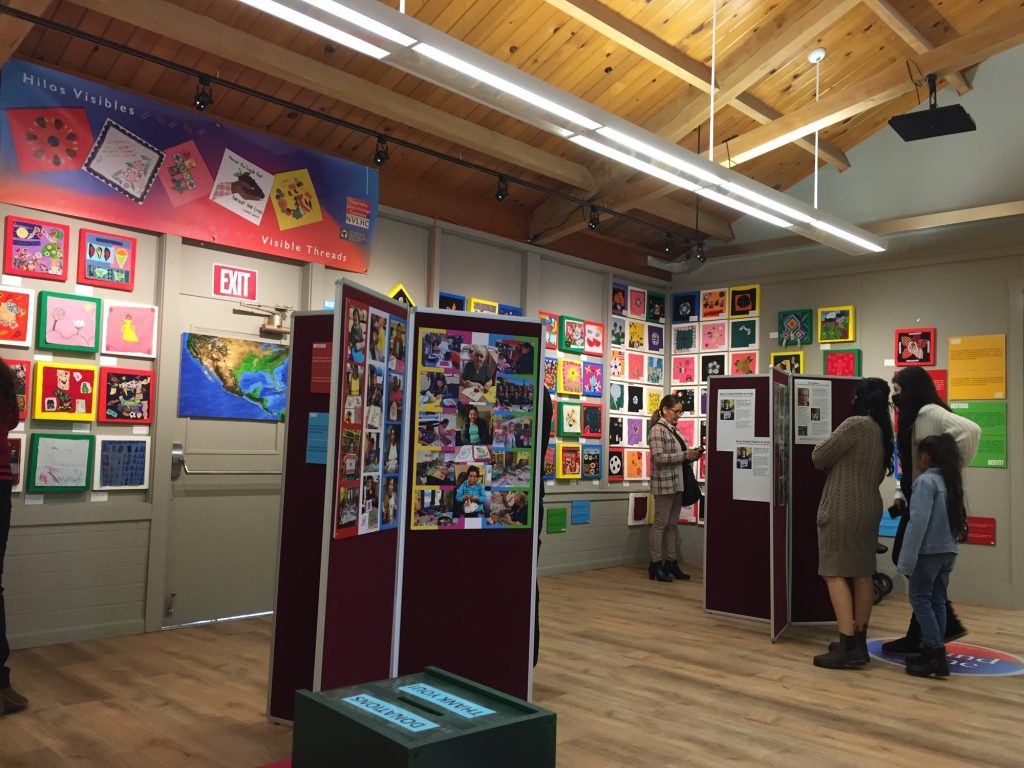
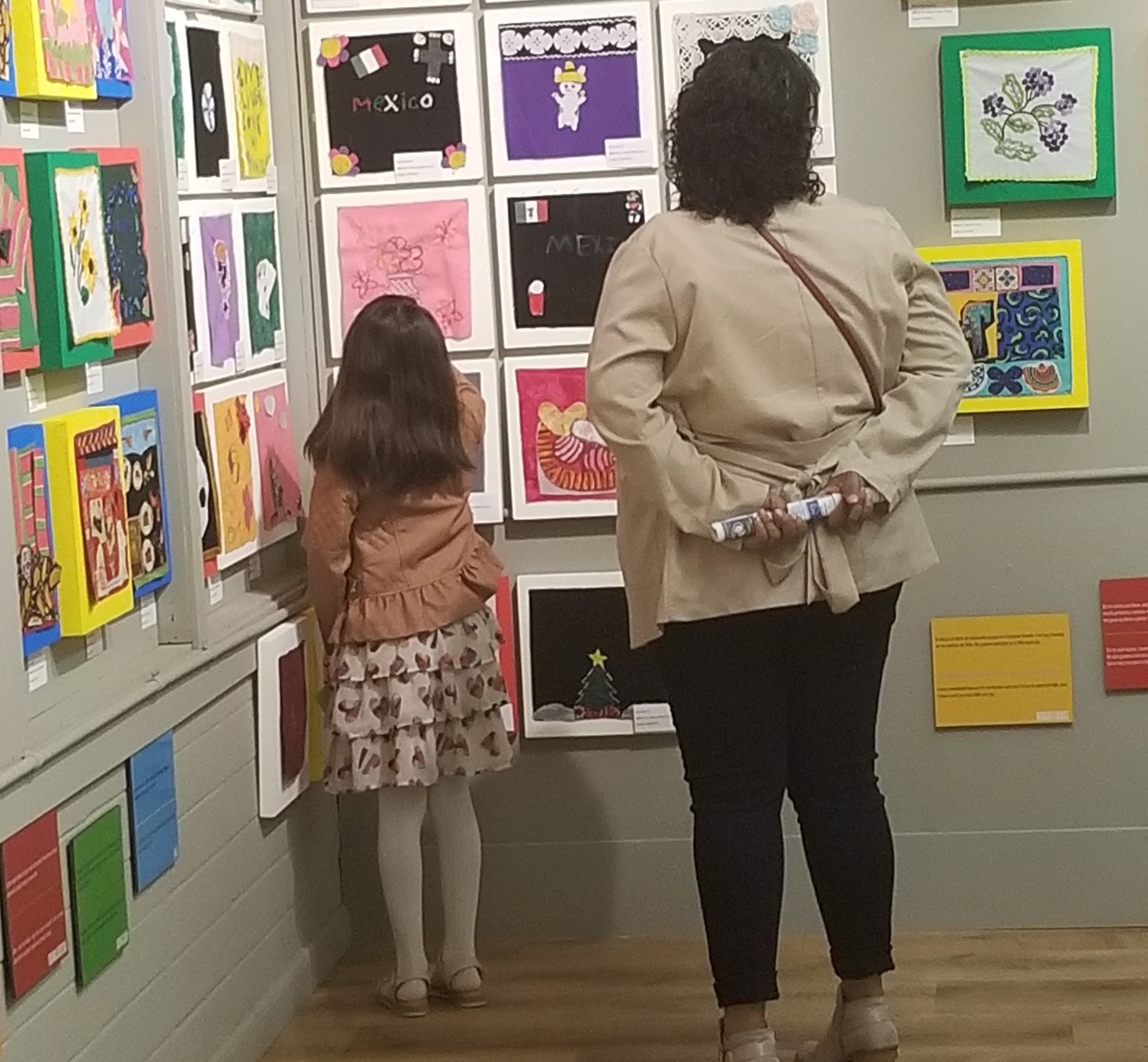
An art and fabric exhibit that was part of a countywide effort celebrating the Hispanic culture. participants used quilt squares, oral histories and storyboards to tell the story of what it means to be Hispanic in Napa Valley. It was also about the immigrant experience. The quilt squares reflect the importance of faith, ancestors, family, country, and unity in our lives.
People of all ages participated in this project, from students to seniors. Past St. Helena Historical Society President Dr. Stephen Taplin suggested that “participants think about what they’d like to highlight about their community, culture or pathway to Napa Valley. It may be a person or place that has influenced you, a cultural celebration or tradition. It could be food, clothing, art, music or dance. Participants created a fabric square that is personal for them.”
The immigration experience
For so many of the people who have left their homes and families and everything that’s familiar and have come to the US, it’s about hoping for a better life—for themselves, but always for their children.
Participants spanned demographics
From students to seniors. There was a group of women that meets regularly at the Rianda House. They loved working on their quilt squares together and sharing stories about growing up in Mexico.
Ofelia came to St. Helena in 1969 from Michoacan. She brought her four children with her and had four more in St. Helena. All of her children live in St. Helena. One is a lawyer, and another is a contractor. One of her daughters works for the county; another works with her husband who makes wine–she oversees the promotion. Her youngest son also works with them. Another of her sons works for a county office in Oregon.
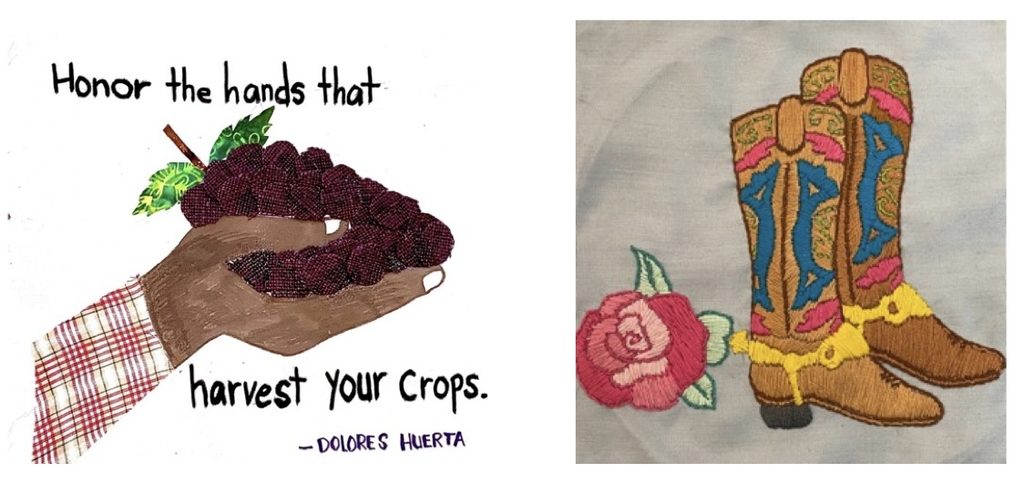
Trinidad also came from Michoacan. She feels safe and serene here—Michoacan has become dangerous because of drug cartels. Her square includes the flowers and strawberries she loves. Since she arrived in St. Helena as an adult, she has taken English classes and classes to learn how to write, since she could not go to school when she was a child.

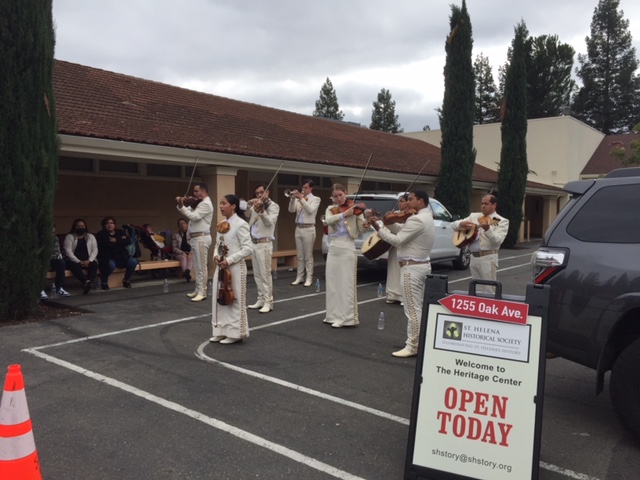
A mariachi band and refreshments were part of the opening celebration at the Heritage Center Museum.
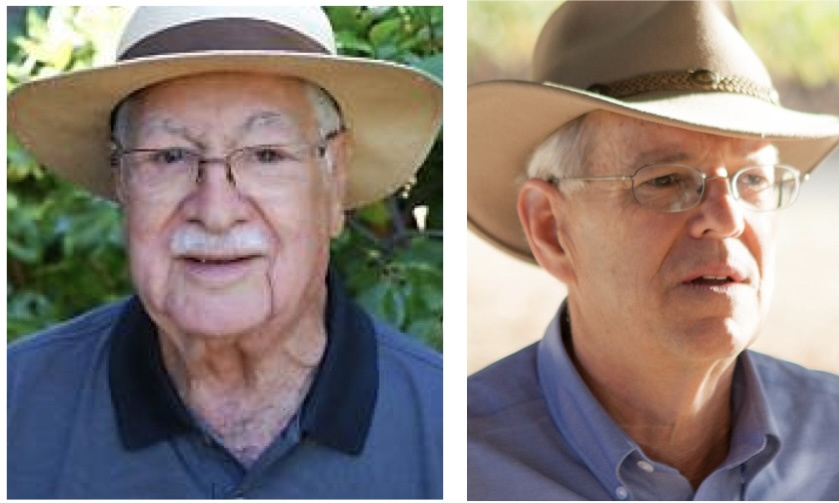
Aurelio Hurtado and Dr. Stephen Taplin
In preparation of our Hilos Visible exhibit and in recognition of Hispanic Heritage month, former SHHS President Stephen Taplin interviewed Aurelio Hurtado, a longtime champion of workers rights.
Aurelio Hurtado grew up in Mexico. His family moved from a beautiful little village to Ciudad Jerez when he was 13. It was here where he went to school and later graduated from college. His brothers and cousins all began immigrating to the United States and found jobs in Los Angeles. Aurelio wanted to be with his brothers and joined them in Los Angeles. He had trouble with the smog and in May 1954, he joined his brother, who was working for the Mondavi family at Krug Winery in St. Helena.
Aurelio loved the beauty of St. Helena; it reminded him of the village in Mexico where he had spent his early years. He began working for Mondavi along with his brother. While he didn’t speak English, he was able to communicate through another worker, Enrique, who spoke Portuguese. He lived on the Krug property in a shack where they could see daylight through the uneven siding. During Napa Valley’s cold winter months when the wind whipped through the cracks, they’d take the burlap bags that the wine corks came in and stuff them into the holes in the walls.
Stephen Taplin: You had a college education, and you’d been offered a good job with a Mexican electric company, and here you were, living in a shack on a wine estate. Did you think about possible missed opportunities?
Aurelio: “Being close to my brothers was very important to me. There were so many people coming to the U.S. in my family. I needed to stay close to them. That transcended any feelings of doubt. I understood that this was the most important thing. I worked for the Mondavi family for almost 13 years. The family was so good to us.”
Aurelio’s brothers from Los Angeles and his cousin Louis all moved to St. Helena and worked at Krug. When Aurelio started out working in the fields, they told him he was going to make $1/hour. When he got his first check, he thought there was a mistake—he had worked so many hours. But they were taking ten cents/hour out for rent on the drafty shack. His brothers and cousin made more money working in the winery.
Aurelio: “My brother introduced me to the man in charge of the crush who was looking for someone to work in the winery. He was concerned that I was too small and skinny. But my brother told him to give me a chance—I was a hard worker. My cousin brought some rubber boots and told me what to do. I climbed into the tank and went to work. The grapes kept coming in, all day and all night. It was exhausting.”
Within days, Aurelio was teaching new hires how to do the job.
“At the end of the season, my boss asked me if I wanted to work in the winery or go back to the fields. I wanted to stay there. That meant cleaning the whole system to get it ready for next year’s grapes.”
Aurelio worked for the Mondavi family at Krug Winery for 13 years doing just about every job in the winery. He and his brothers rented a house where they all lived together. He had a good job and worked hard. It should have been enough.
Dates and locations
Hilos Visibles opened at the Heritage Center on Oct. 16, 2022, and ran through March 2023. A companion showing ran at the Napa County Historical Society’s Goodman Library in Napa. Parts of the exhibit are now in the Heritage Center’s permanent exhibit, open the first Saturday of each month.